Source Solar Floating Fountain Splash Aerator for Aquaculture
Find and compare 30 solar floating fountain splash aerator models designed for aquaculture and fisheries. Evaluate options featuring DC or AC power, stainless steel frames, and various solar panel capacities to select the right equipment for your pond aeration needs.
Key considerations
Products List


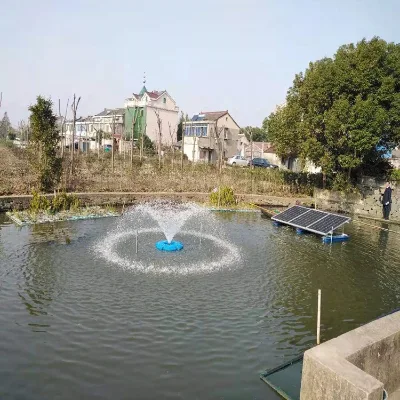
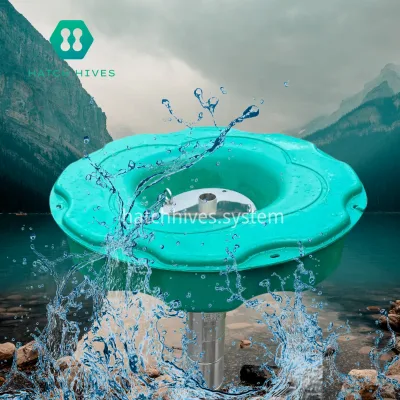


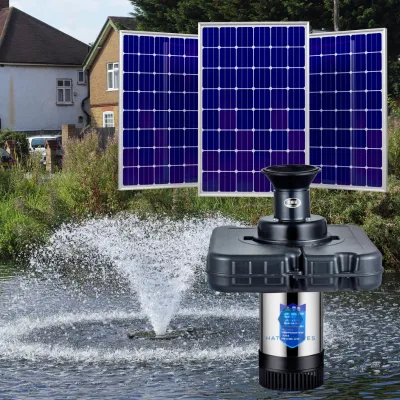
Comprehensive Sourcing Guide
Solar Floating Fountain Splash Aerator Sourcing Guide
Procuring solar-powered aeration systems requires a precise alignment between technical capabilities and specific aquaculture or ornamental water body requirements. Buyers must distinguish between simple decorative fountains and functional splash aerators designed to increase dissolved oxygen levels in ponds and fish farms. The core value proposition lies in the integration of renewable energy sources with mechanical aeration, reducing operational costs while maintaining water quality. Understanding the specific model series, such as SFB, YLZ, or FB, helps in identifying the appropriate technology for your site conditions.
Initial market research should focus on the observed product attributes that define the available inventory. Listings indicate a wide range of power outputs, from 500W to 1000W for solar units, and up to 2.2kW for electric variants. Voltage options include DC 24V, 48V, 72V, and 96V for solar systems, alongside AC 220V to 440V for grid-connected models. This diversity means that a generic request for a "solar aerator" is insufficient. Buyers must specify the energy source, power rating, and intended use, whether for aquaculture or general water treatment, to receive accurate quotations and technical proposals from suppliers.
Product Scope and Observed Listing Signals
The product scope for solar floating fountain splash aerators encompasses both standalone solar units and hybrid systems that can operate on grid power. Observed listings highlight specific model designations like SFB, YLZ, FB, and SS, which often correlate with different frame materials and motor types. For instance, the SFB model is associated with solar panel configurations of 260W, 300W, or 550W, while the YLZ model typically features AC electric motors with power ratings of 1.5kW or 2.2kW. This distinction is critical for buyers determining whether they need a fully off-grid solution or a system that can supplement solar power with grid electricity during low-light conditions.
Material composition is another key signal in the product scope, directly impacting durability and corrosion resistance. High-confidence facts indicate that frames are commonly constructed from 201 or 304 stainless steel, with 304 grade being preferred for saltwater or high-corrosion environments. Impellers are typically made from PP (polypropylene), offering a balance of strength and chemical resistance. Floats are often HDPE, providing buoyancy and UV resistance. Buyers should verify if the specific listing includes the solar panel, battery bank, and controller, or if these are sold separately. The presence of "Customization: Available" suggests that suppliers can adapt dimensions or power outputs to fit specific pond geometries.
Technical Specifications to Verify
Verifying technical specifications begins with the power source and voltage compatibility. Solar-powered units list DC voltages of 24V, 48V, 72V, or 96V, which must match the battery bank and inverter specifications of the existing site infrastructure. For grid-connected models, voltage options range from 220V to 440V, with phase options including single-phase and three-phase. Buyers must confirm the exact voltage and phase requirements of their facility to avoid costly retrofitting. Additionally, the power rating, such as 500W, 1000W, 1.5kW, or 2.2kW, determines the aeration capacity and must be calculated based on the volume of water and the target dissolved oxygen levels.
Flow rate and outlet size are critical performance metrics that determine the efficiency of oxygen transfer. Observed data shows flow rates up to 25m³/H for some models and up to 60m³/H for others, such as the Ys-SA60-5-220/300-2200 model. The outlet size, often 4 inches, affects the splash pattern and the distribution of aerated water. Buyers should request detailed performance curves that correlate power input with flow output and dissolved oxygen increase. Furthermore, the motor type, whether AC electric or DC brushless, impacts maintenance requirements and efficiency. DC brushless motors, as seen in some solar models, generally offer longer lifespans and lower maintenance needs compared to AC motors.
Compliance and Safety Documentation
Compliance documentation is essential for ensuring that the equipment meets safety and environmental standards in the buyer's region. High-confidence facts indicate that CE certification is a common attribute for these products, suggesting adherence to European health, safety, and environmental protection standards. Buyers should request copies of CE certificates and test reports to verify that the electrical components, solar panels, and motors meet the required safety thresholds. For installations in other regions, buyers may need to verify if the equipment complies with local electrical codes and environmental regulations, particularly regarding the disposal of batteries and electronic components.
Safety documentation should also cover the mechanical integrity of the floating structure and the electrical isolation of the system. Since these units operate in water, electrical safety is paramount. Buyers should ask for details on the IP rating of the electrical enclosures and the materials used for the frame and impeller to ensure they are resistant to corrosion and chemical degradation. The use of 304 stainless steel for frames and PP for impellers suggests a focus on durability, but buyers should confirm that these materials are suitable for their specific water chemistry. Additionally, documentation should include installation guidelines and safety warnings to ensure proper setup and operation.
Cost Drivers and Commercial Terms
The cost of solar floating fountain splash aerators is influenced by several key drivers, including the power rating, material quality, and the inclusion of ancillary components. Observed price ranges in USD span from 8.9 to 4000, reflecting the diversity in product configurations. Lower-cost units may be basic models with smaller solar panels and lower power outputs, while higher-cost units likely include larger solar arrays, higher-capacity batteries, and premium materials like 304 stainless steel. Buyers should request itemized quotations that break down the cost of the aerator unit, solar panels, batteries, controllers, and installation accessories to identify areas where costs can be optimized.
Commercial terms, including Minimum Order Quantity (MOQ) and payment structures, also impact the total cost of procurement. Observed MOQ ranges from 1 to 500 units, allowing for both small-scale pilot projects and large-scale deployments. Buyers should negotiate payment terms that align with their cash flow, such as partial payments upon order confirmation and balance payment before shipment. Additionally, buyers should clarify the warranty terms, including the duration and coverage for the solar panels, batteries, and motors. A comprehensive warranty can mitigate the risk of early failures and reduce long-term maintenance costs.
Supplier Qualification and Quality Control
Qualifying suppliers involves assessing their manufacturing capabilities, quality control processes, and track record in the aquaculture equipment industry. Buyers should request samples or visit the factory to inspect the construction quality of the frames, impellers, and electrical components. High-quality suppliers will use consistent manufacturing processes and rigorous testing procedures to ensure that each unit meets the specified performance standards. Buyers should ask for evidence of quality control, such as inspection reports, test data, and customer references, to verify the supplier's commitment to quality.
Quality control should extend to the supply chain, including the sourcing of raw materials like stainless steel, PP, and HDPE. Buyers should verify that the supplier uses certified materials that meet the required specifications for durability and corrosion resistance. Additionally, suppliers should have a robust after-sales support system, including technical assistance, spare parts availability, and repair services. A reliable supplier will provide clear communication channels and responsive support to address any issues that arise during installation or operation.
Long-Term Procurement Checks
Long-term procurement checks focus on the sustainability and scalability of the aeration system. Buyers should consider the lifecycle costs, including energy consumption, maintenance, and replacement of components like batteries and solar panels. Solar panels typically have a lifespan of 20-25 years, while batteries may need replacement every 5-10 years, depending on the type and usage. Buyers should plan for these replacements and ensure that the supplier offers compatible replacement parts. Additionally, buyers should consider the environmental impact of the system, including the recyclability of materials and the efficiency of energy use.
Scalability is another important consideration for long-term procurement. Buyers should ensure that the system can be expanded to meet future needs, such as increasing the number of aerators or upgrading the power capacity. Modular designs, where individual units can be added or removed, offer flexibility and ease of expansion. Buyers should also consider the integration of the aeration system with other water management technologies, such as monitoring sensors and automated control systems, to optimize performance and reduce manual intervention. By planning for long-term needs, buyers can ensure that their investment in solar floating fountain splash aerators remains effective and cost-efficient over time.
FAQs
What voltage options are available for the solar floating fountain splash aerator?
The aerator supports multiple voltage options including DC 24V, 48V, 72V, and 96V for solar systems. It also offers AC voltages like 220V, 380V, 400V, 415V, and 440V. This flexibility allows users to select the power source that best fits their specific aquaculture facility requirements and existing electrical infrastructure.
Which materials are used to construct the frame and impeller of this unit?
The frame is constructed from 201 or 304 grade stainless steel to ensure durability in aquatic environments. The impeller is made of PP material, which provides resistance to corrosion and wear. These material choices guarantee long-term performance and reliability for continuous operation in various water conditions.
Can the solar floating fountain splash aerator be customized for specific needs?
Yes, customization is available for this equipment to meet unique operational requirements. Buyers can request specific configurations regarding power, voltage, or structural dimensions. This flexibility ensures the machinery integrates seamlessly into existing aquaculture setups while maintaining the high standards of the original design.
What is the working method used by this floating aerator system?
The system operates using a friction type working method to ensure efficient water aeration. This mechanism helps maintain optimal oxygen levels in the water column effectively. The design supports stable performance across different flow rates and is suitable for various aquaculture applications requiring consistent water quality management.
How is the product packed for shipping and what is the origin?
The product is packed securely in either wooden boxes or carton boxes to prevent damage during transit. The origin of the machinery is China, ensuring access to established manufacturing capabilities. This packaging method protects the unit while facilitating efficient logistics for international buyers seeking reliable aquaculture equipment.
What power sources and motor types are compatible with this aerator?
The aerator utilizes electric power sources and features AC electric motors or DC brushless motors depending on the model. Solar panels ranging from 260W to 550W can also power the unit directly. This dual capability allows for versatile deployment in locations with varying access to grid electricity or solar resources.
Which certifications does the solar floating fountain splash aerator hold?
The product holds CE certification, indicating compliance with European safety and quality standards. This certification ensures the machinery meets rigorous regulatory requirements for electrical and mechanical safety. Buyers can rely on this verified standard when sourcing equipment for international markets requiring certified industrial machinery.